Description
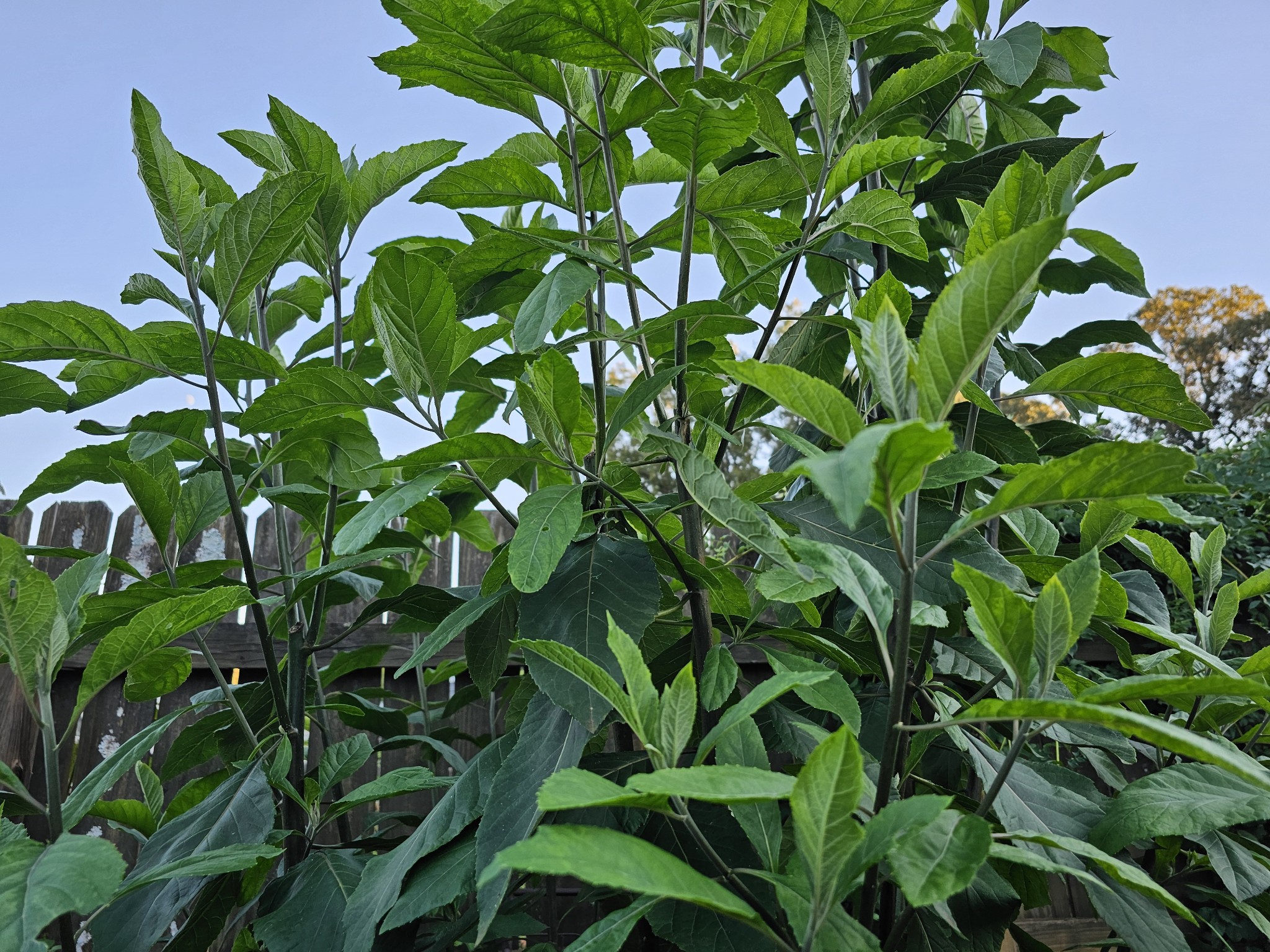
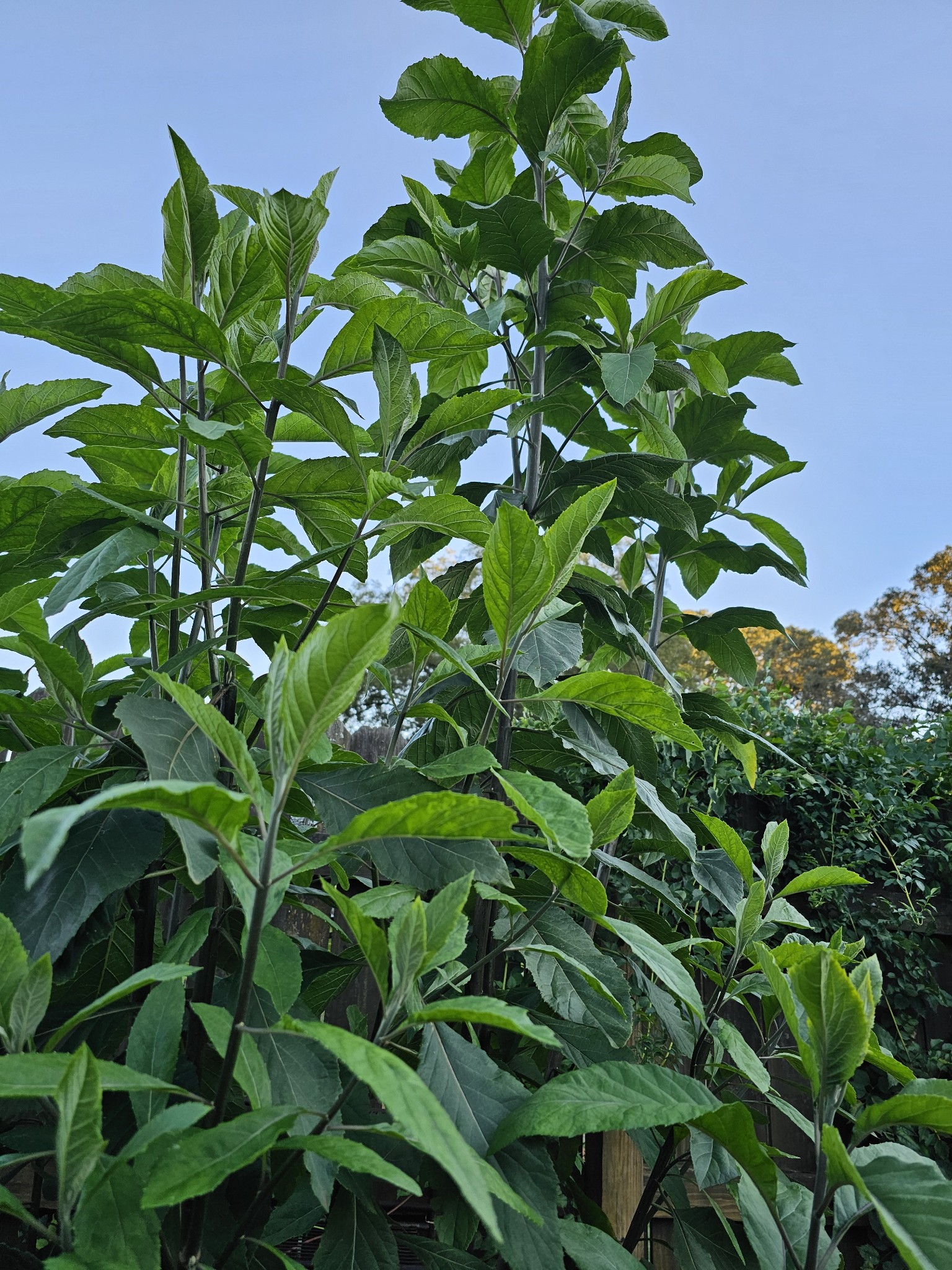
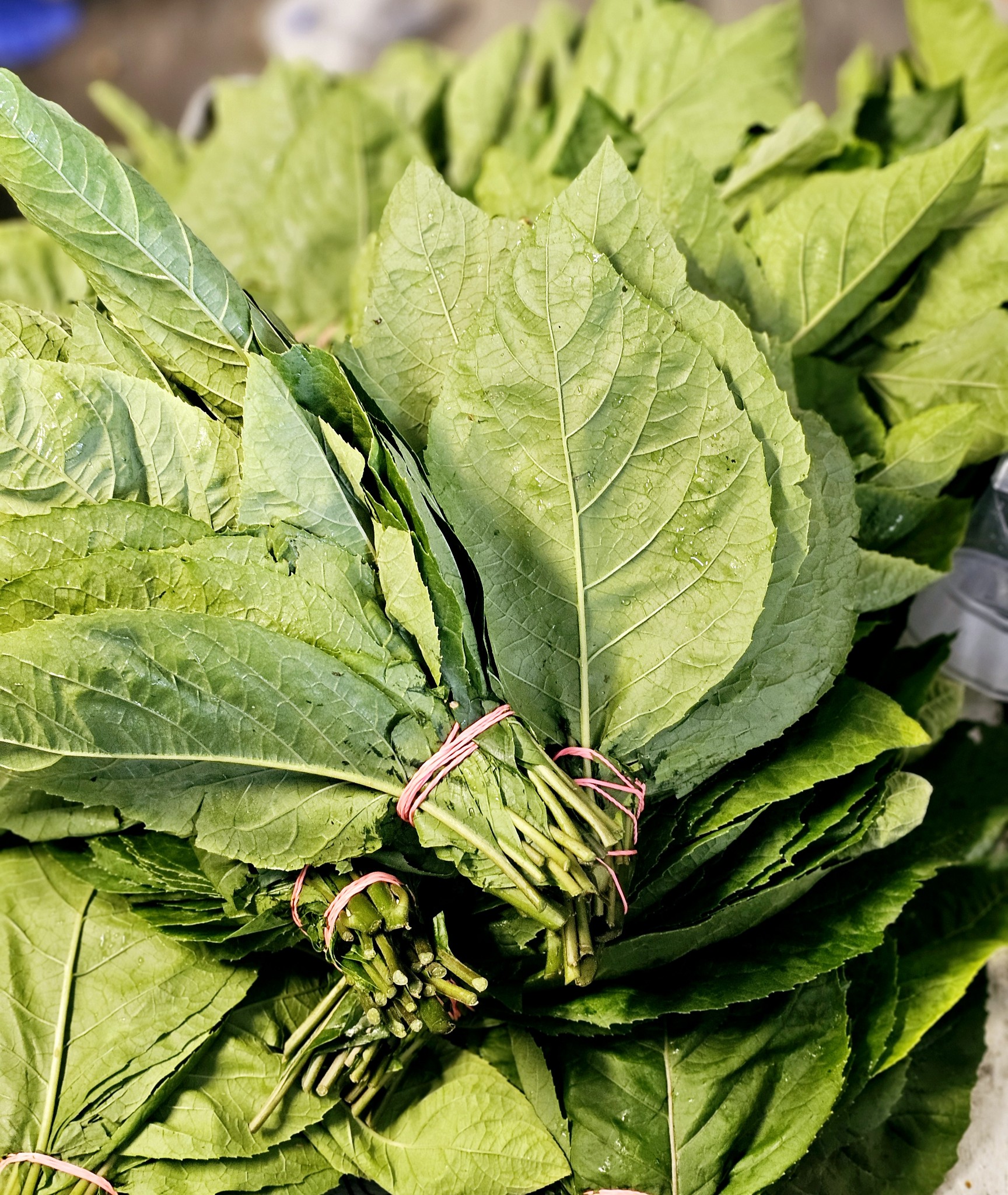
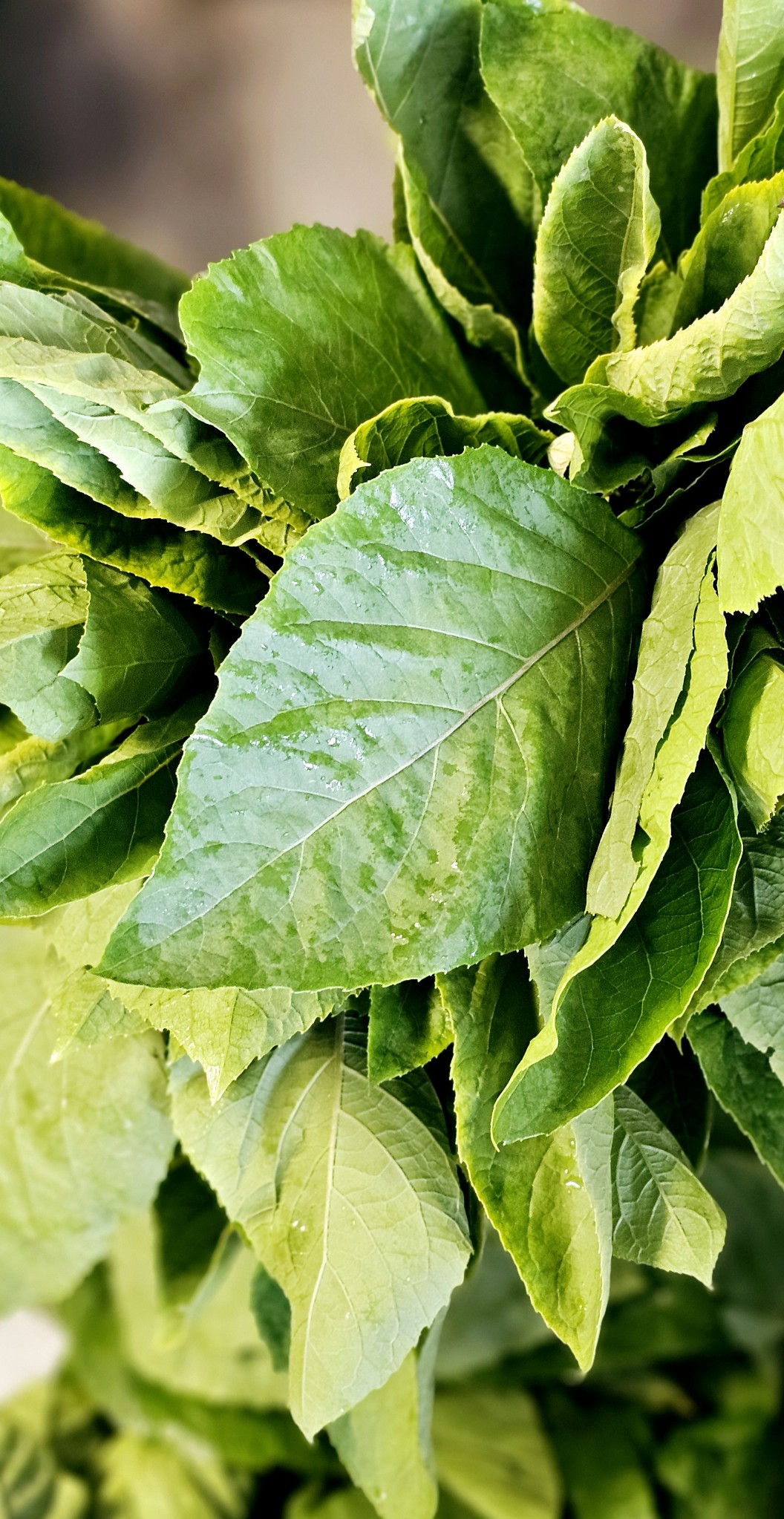
Bitterleaf, scientifically known as Vernonia amygdalina, is a leafy green vegetable widely consumed across West and Central Africa. Known for its distinctly bitter taste, it is a staple in traditional African cuisine, especially in soups and stews like Nigerian Bitterleaf Soup (Ofe Onugbu) and Cameroonian Ndolé. The leaves are typically washed several times to reduce bitterness before cooking, releasing a rich, earthy flavor that complements meats and spices.
Bitterleaf originates from tropical Africa and thrives in warm, humid climates. It grows as a small shrub or tree and is easily cultivated in backyard gardens or on farms. Traditionally, it is handpicked and sun-dried or sold fresh, depending on local culinary practices. Beyond its culinary use, bitter leaf has a strong cultural and medicinal heritage, passed down through generations.
Rich in phytonutrients, Bitterleaf is celebrated for its numerous health benefits. Bitterleaf is also traditionally used to support digestion, cleanse the liver, and treat fevers, malaria, and gastrointestinal issues. Its high content of vitamins A, C, and E, as well as minerals like calcium and potassium, contribute to overall wellness and vitality.
Whether eaten as a vegetable or brewed as a medicinal tea, Bitterleaf is both a nutritional powerhouse and a healing herb. Today, it is gaining popularity in global health food markets for its natural healing properties and unique taste, especially among the Afro-Caribbean and African diaspora communities looking to reconnect with ancestral wellness traditions.